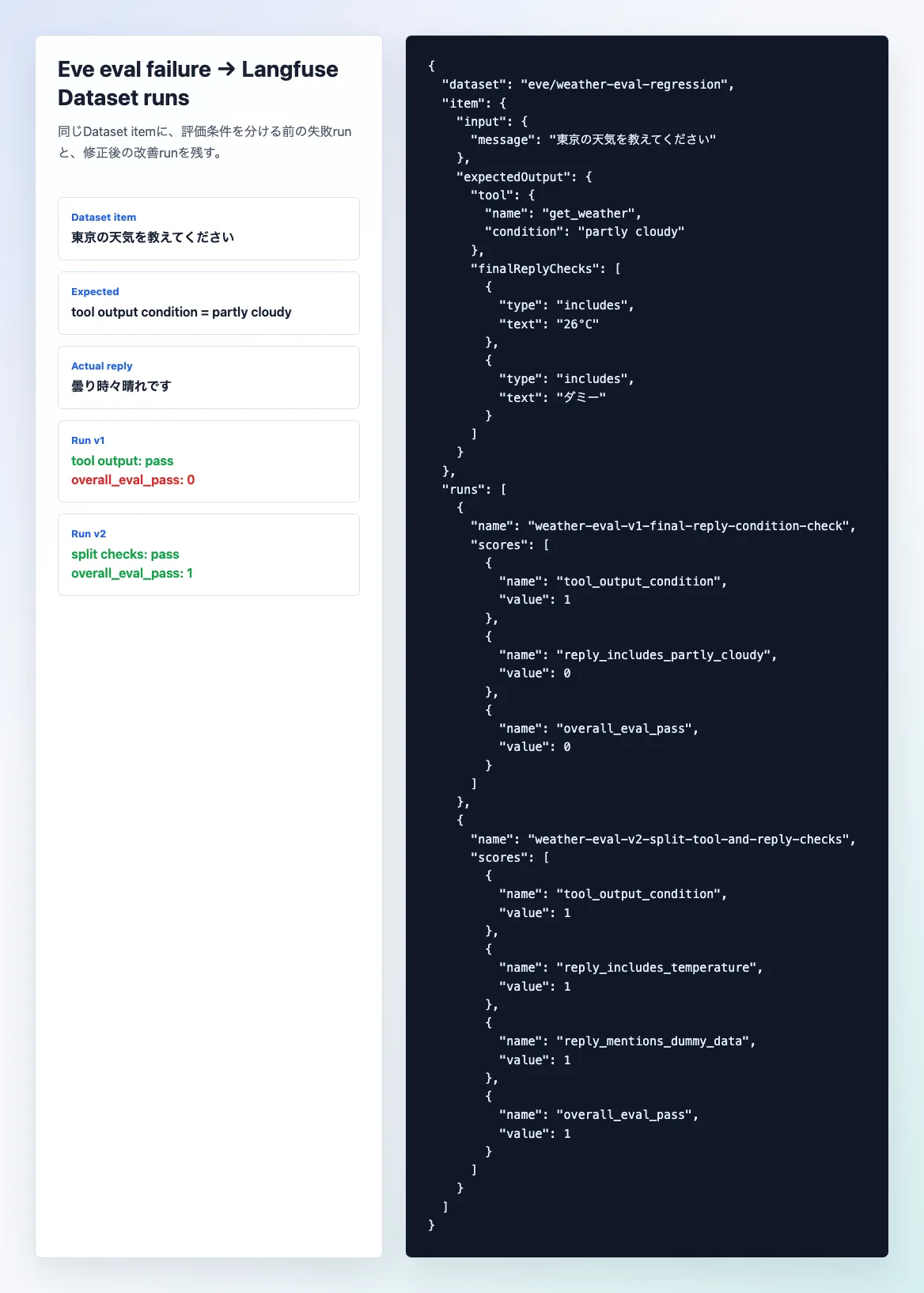
Saving Eve Eval Failures to Langfuse Datasets to Improve Evaluation Criteria
A validation note on sending a failed Eve weather-tool eval to Langfuse, comparing the failed run with a revised run, and improving the evaluation criteria.
A validation note on sending a failed Eve weather-tool eval to Langfuse, comparing the failed run with a revised run, and improving the evaluation criteria.
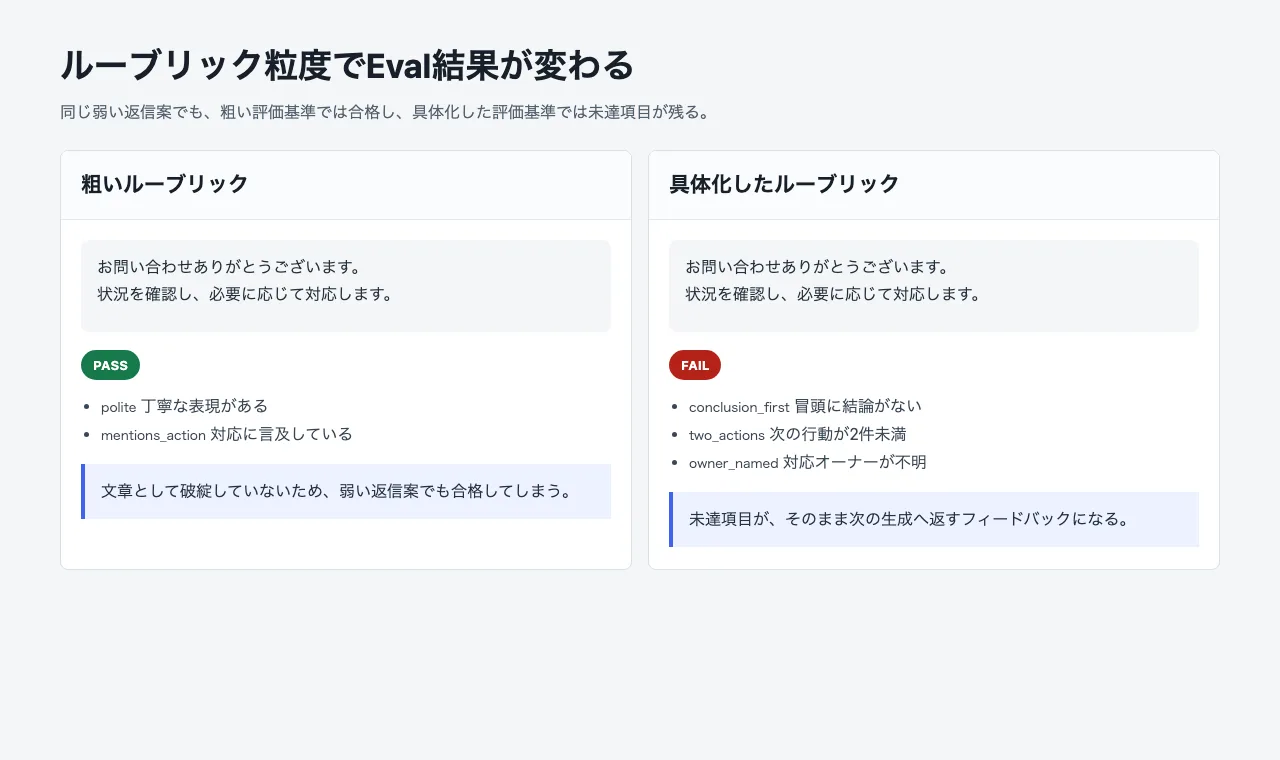
A small verification of how coarse evaluation criteria can pass weak LLM output. This article shows how to treat rubrics and evals as operational assets that improve through failure logs.
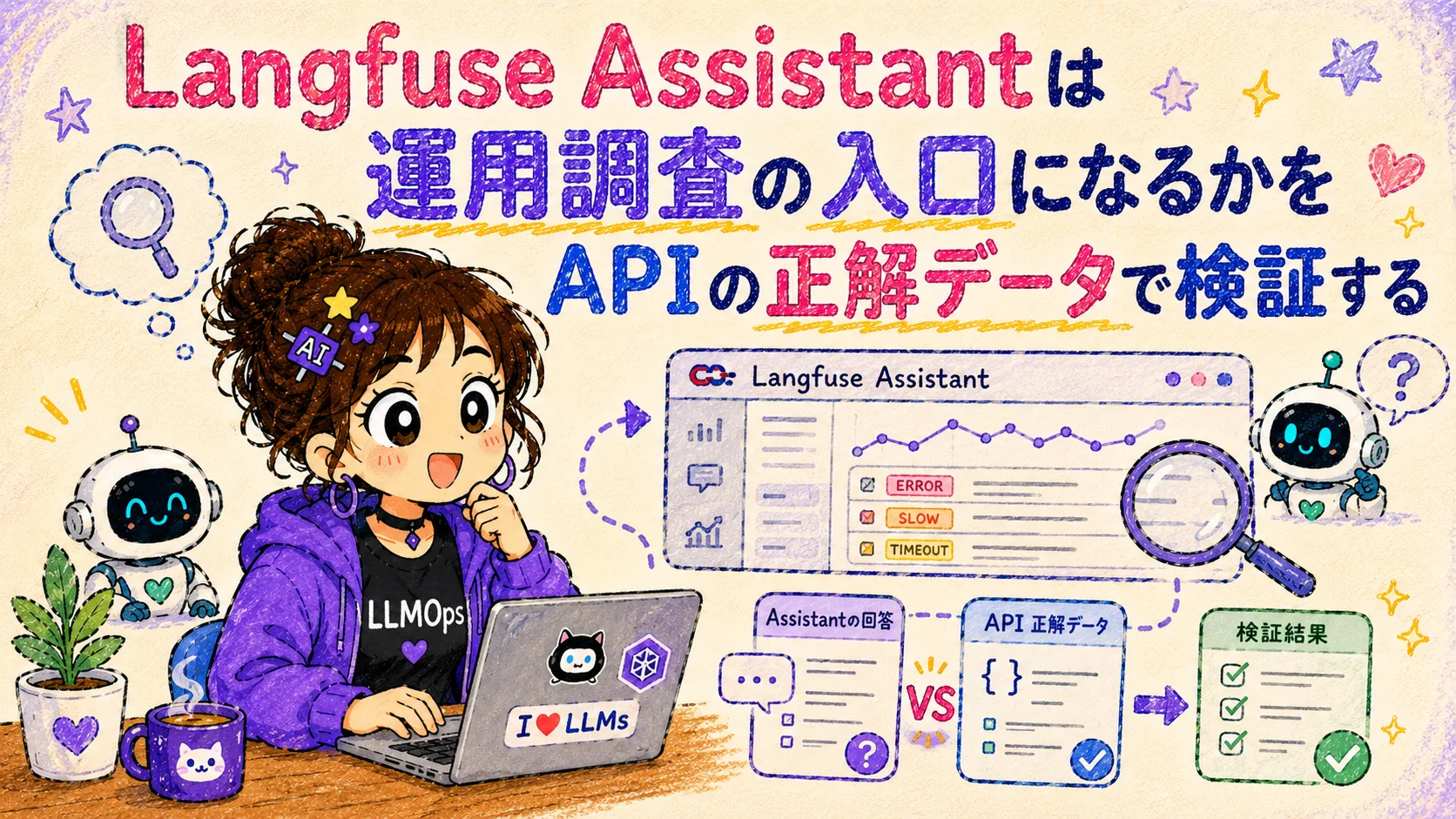
Testing the Langfuse Assistant public beta against existing Sakana Fugu observations and ground truth calculated through the Public API.
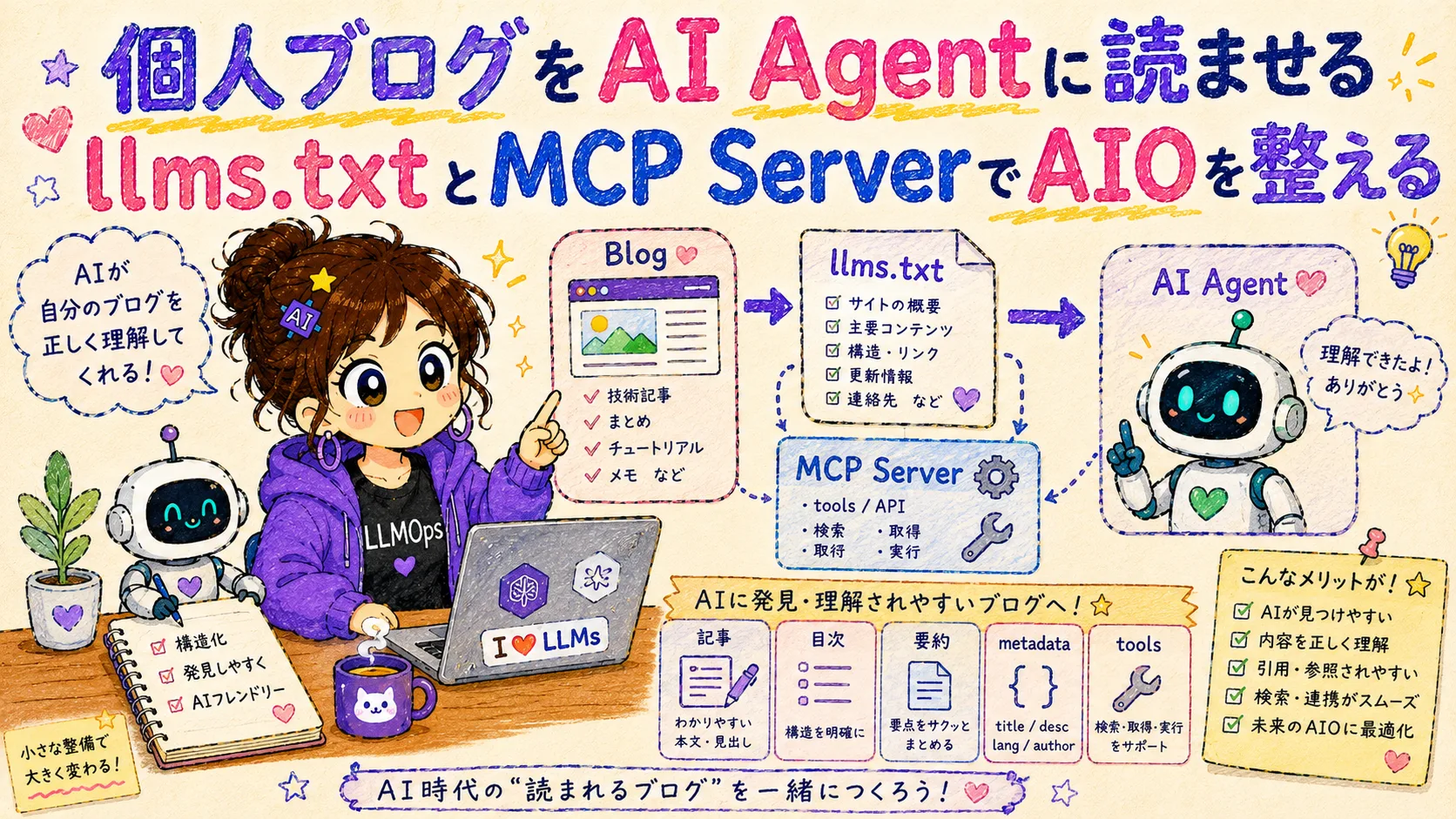
Making a personal blog discoverable by AI agents as Perplexity and ChatGPT replace traditional search. Implementation of AIO (AI Optimization) with llms.txt, JSON API, and MCP Server design—decision criteria for a 46-post blog.
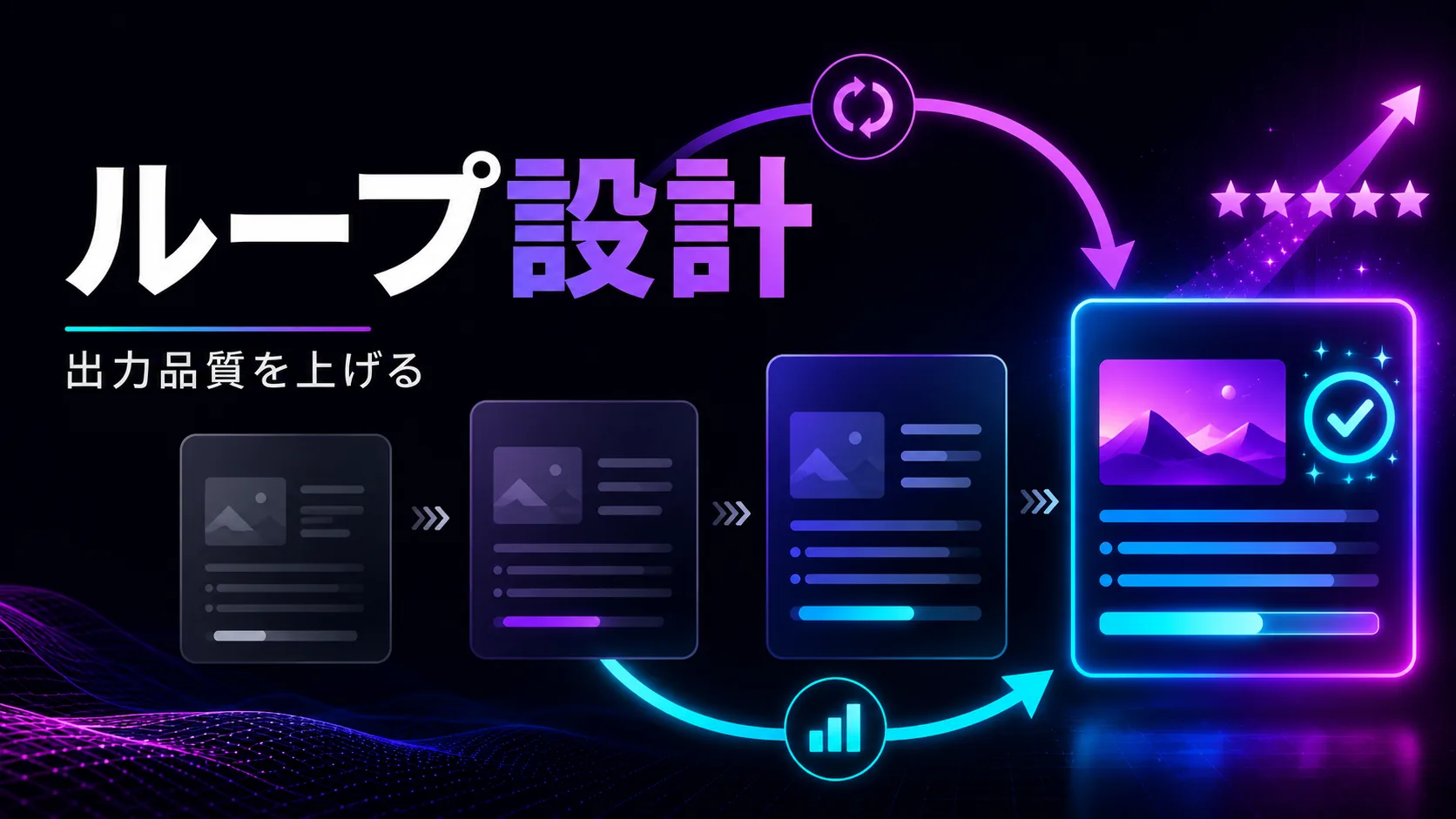
I implemented a minimal generate-evaluate-feedback-regenerate loop in a verification script. This post organizes the stop conditions and evaluation units that actually matter when stabilizing AI output.
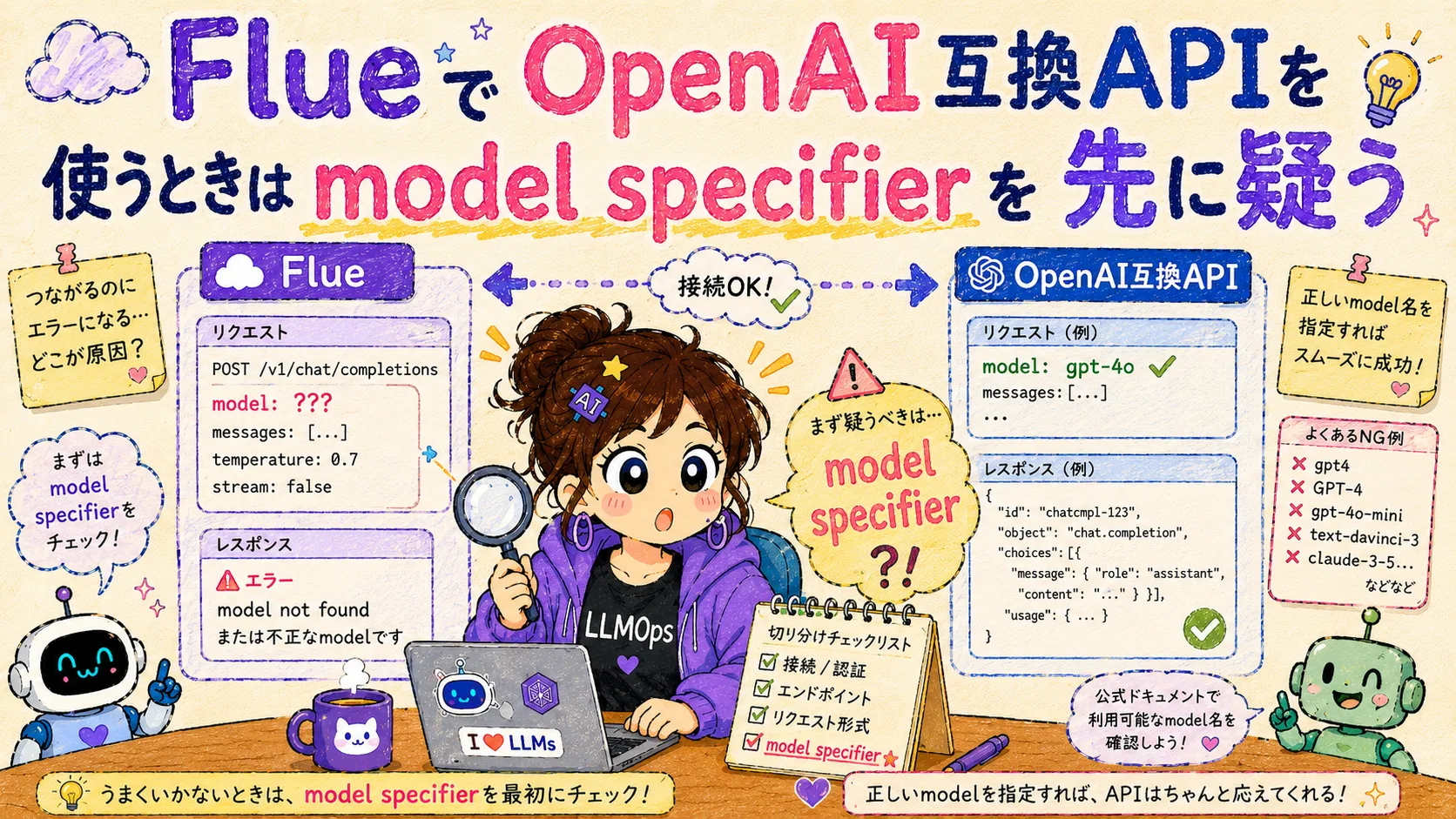
A note on getting stuck with 'Unknown model specifier' in Flue 1.0 Beta by mixing up the actual model ID and the provider-id/model-id format.
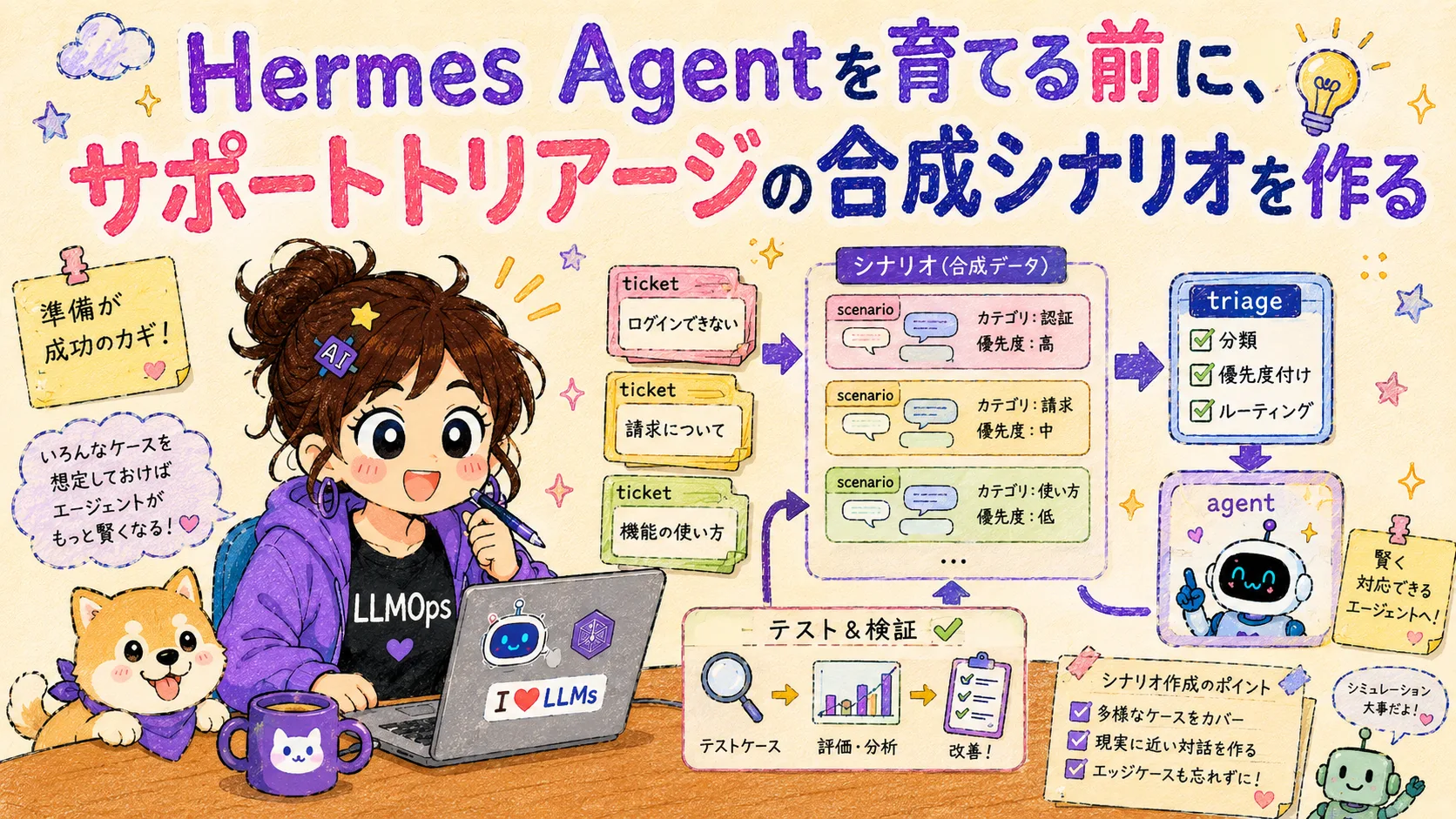
As a preparatory step before delegating support triage to Hermes Agent, I built three evaluation scenarios using synthetic data—fixing decision criteria and safety constraints in advance without relying on real customer data.
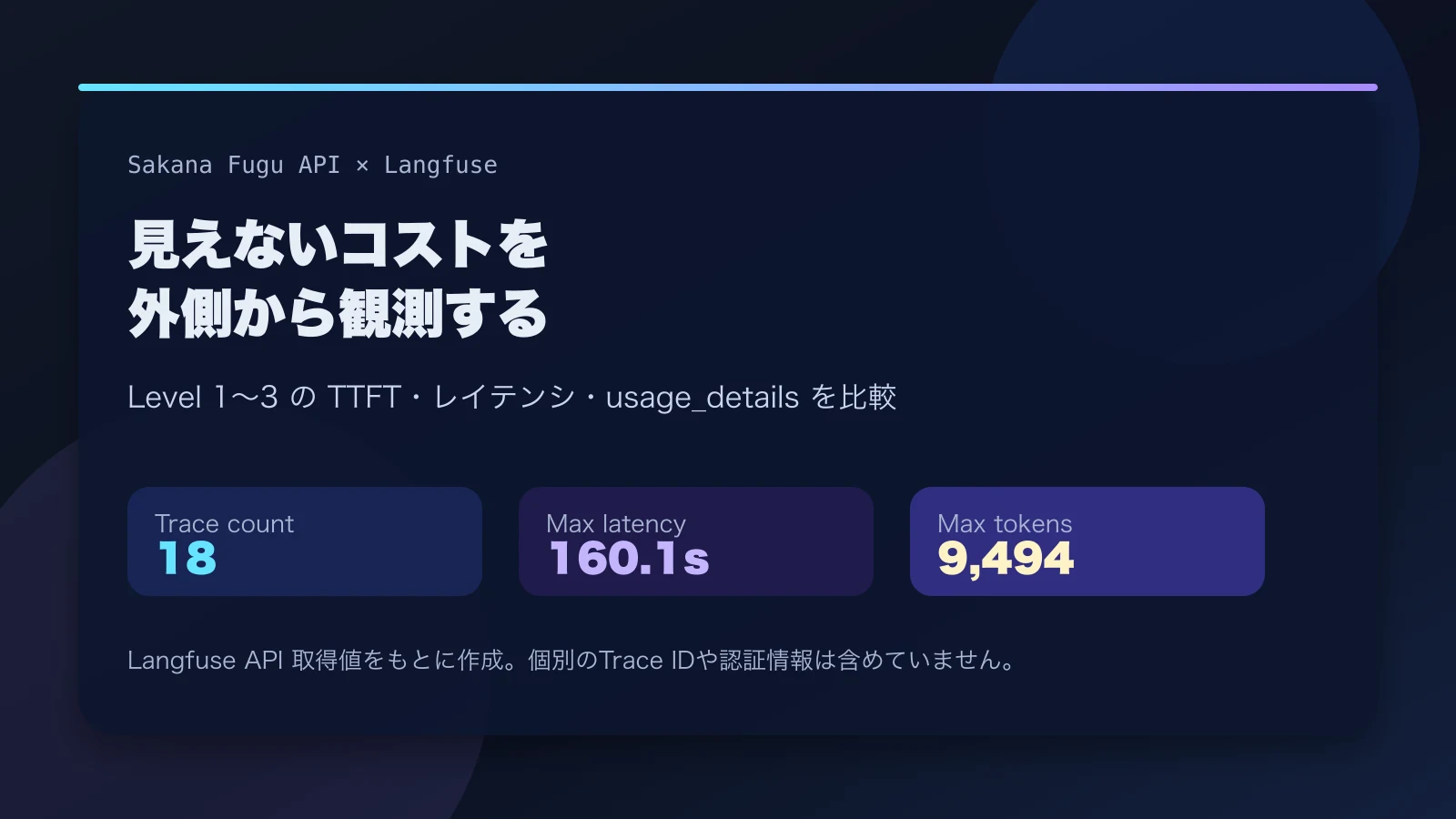
A hands-on report instrumenting Sakana Fugu's OpenAI-compatible API with Langfuse, measuring how latency, token consumption, and TTFT change across Level 1–3 tasks.
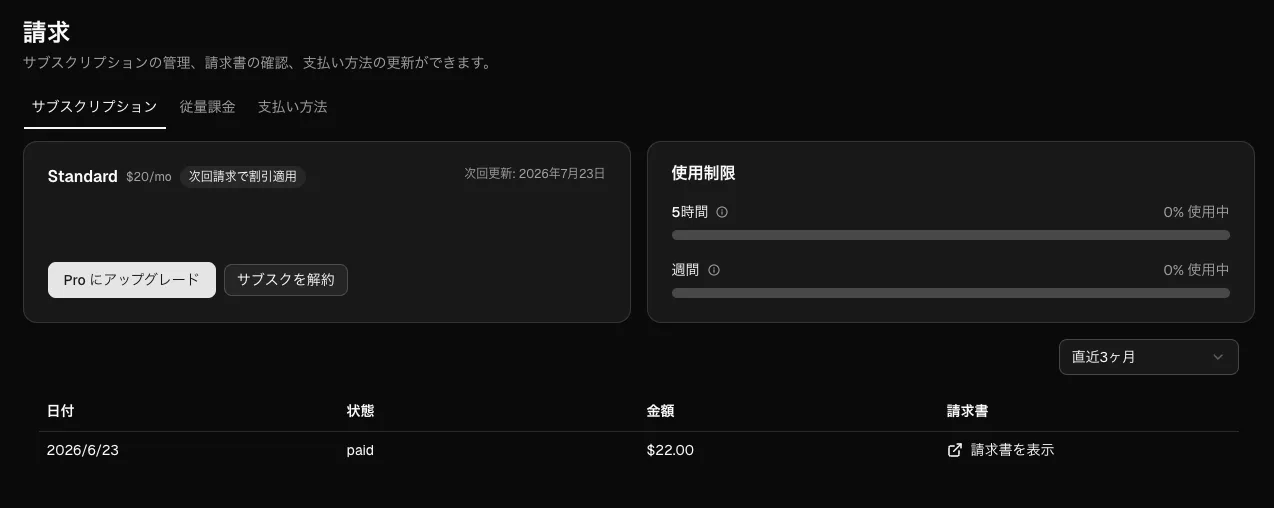
I subscribed to Sakana Fugu to understand its nature as an OpenAI-compatible API and to plan how to observe its black-box cooperative reasoning from the outside.
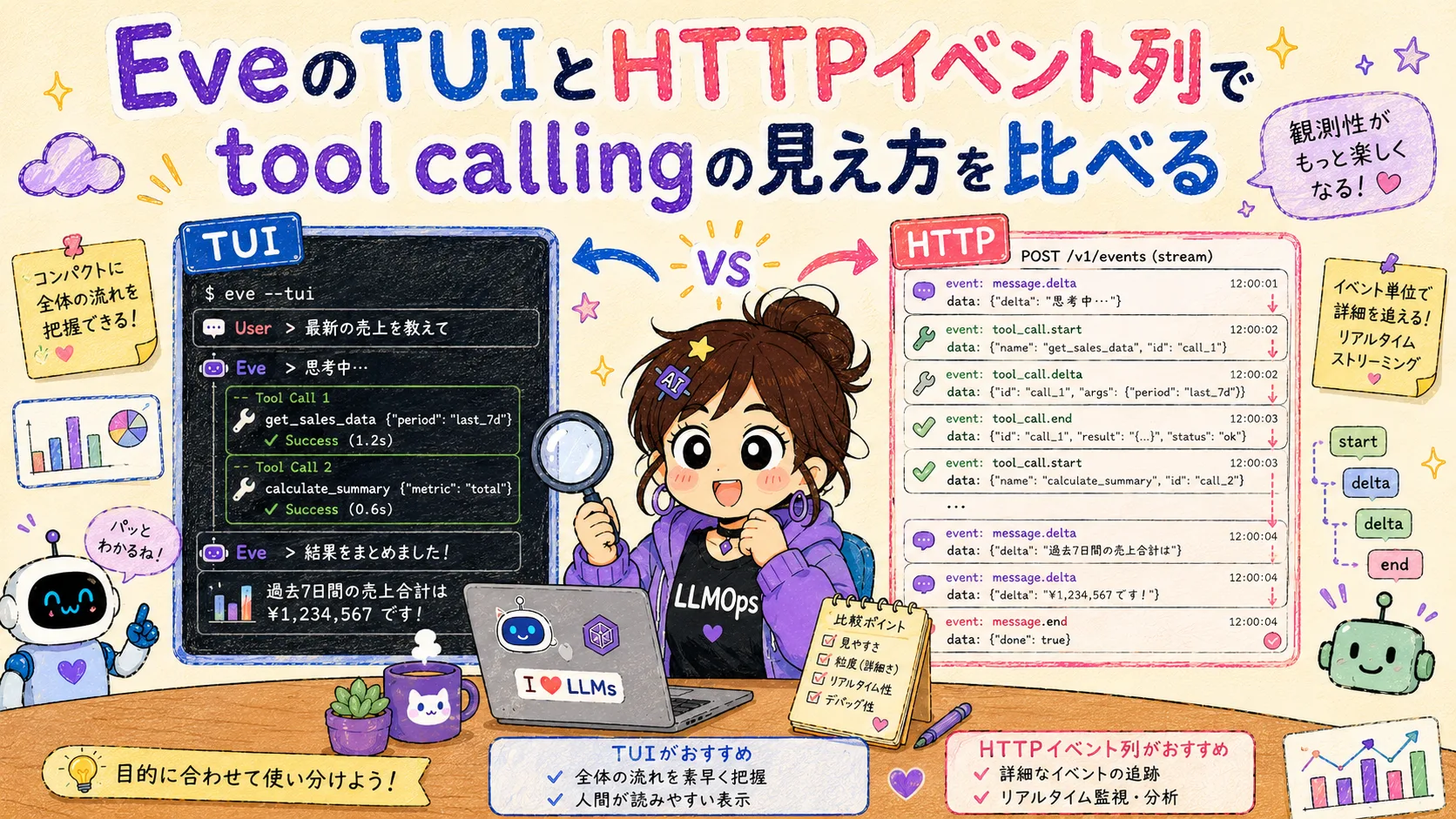
A hands-on log comparing how the same weather tool call looks in Vercel's Eve agent framework when observed from the TUI versus the HTTP API, separating the developer-friendly display from the integration-friendly event stream.
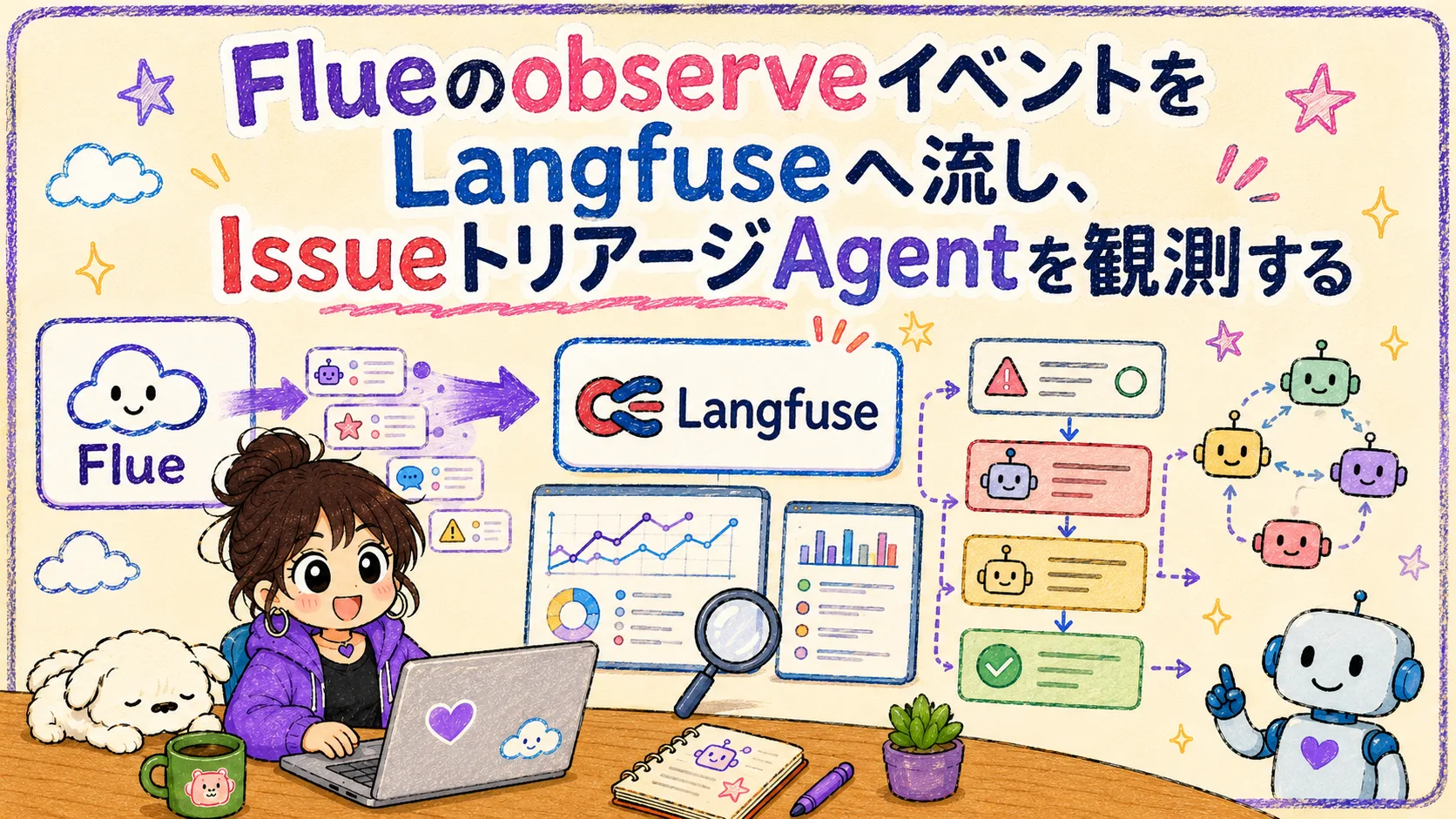
An experiment log where I redact Flue 1.0 Beta observe events before sending them to Langfuse, tracking the issue triage workflow's runId, model, and results.
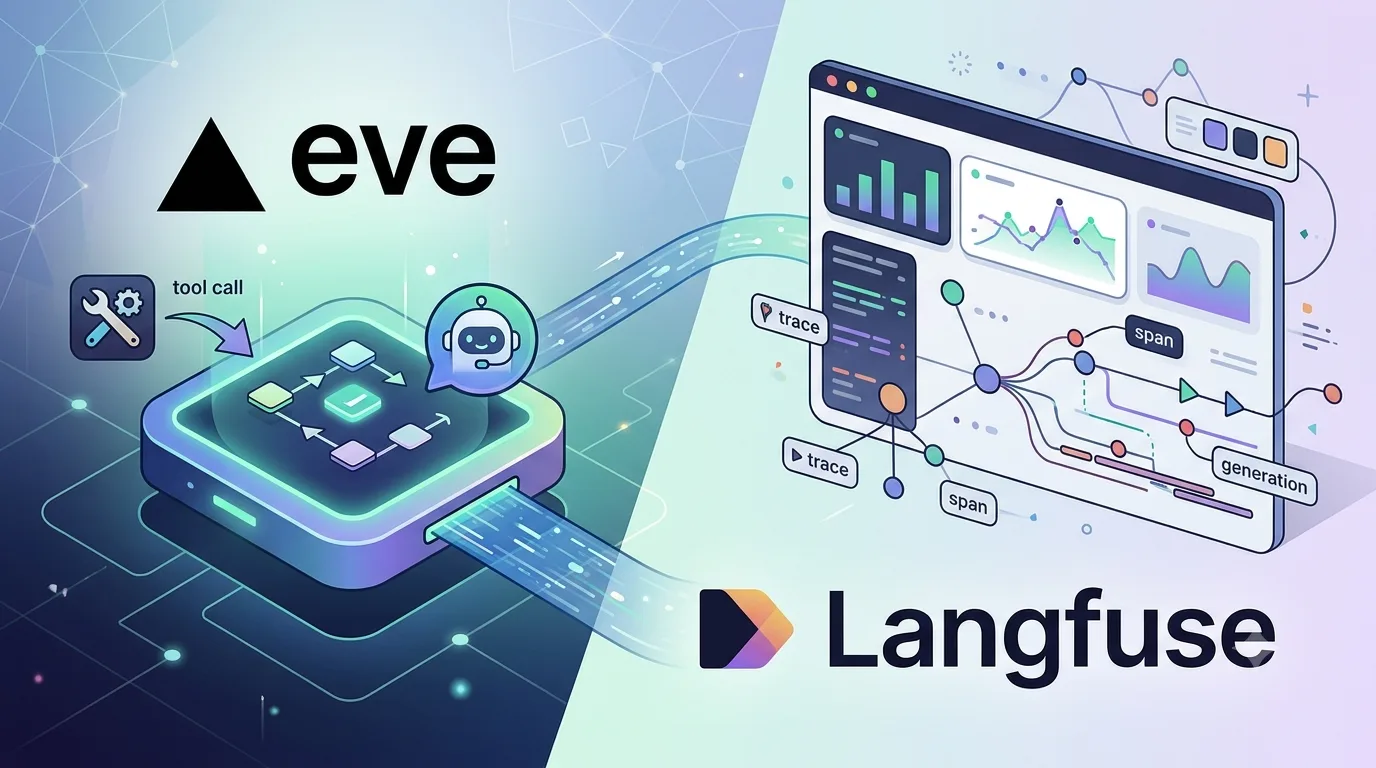
A hands-on comparison of two ways to send Eve tool-calling executions to Langfuse as trace/span/generation data.